Human Givens
Understanding Human Givens: A Practical Approach to Emotional Wellbeing
The Human Givens approach is a modern, evidence-based model of emotional health and wellbeing. At its heart is a simple but powerful idea: every human being is born with a set of innate emotional needs—and we also come equipped with the inner resources to help us meet those needs.
When our needs are well met in balance, we feel content, resilient, and able to thrive. But when important needs go unmet—or are met in unhealthy ways—it can lead to distress, anxiety, depression, addiction, and other difficulties.
What Are Our Emotional Needs?
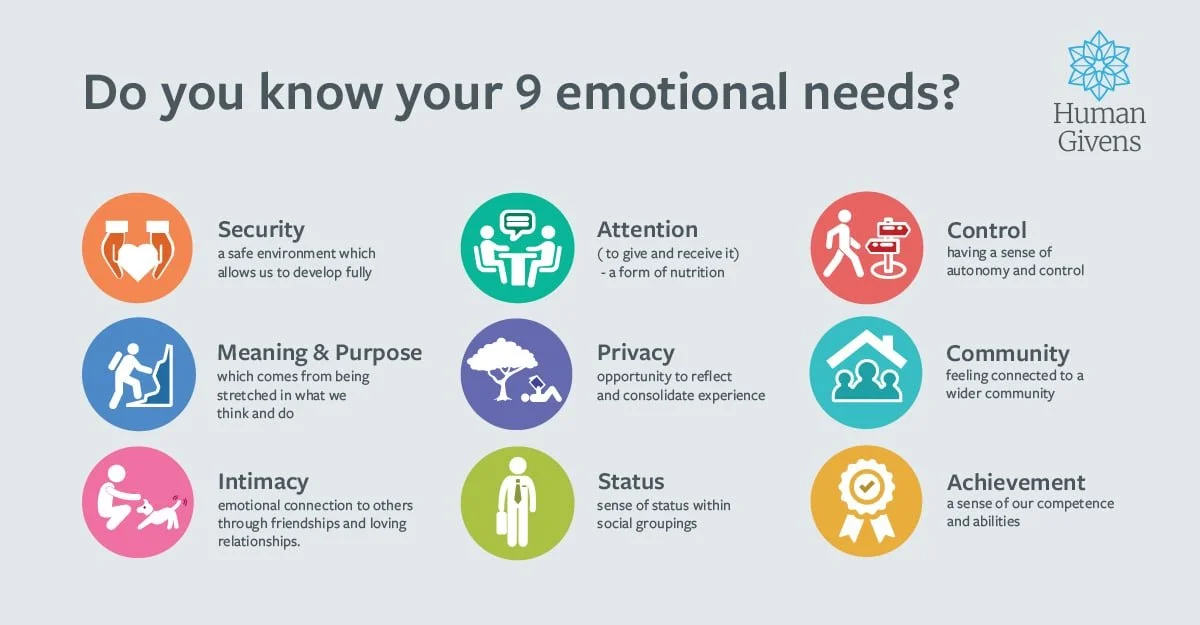
These are the fundamental requirements we all share, regardless of background or personality. They include:
Security – feeling safe and having a stable environment
Connection – having meaningful relationships and a sense of belonging
Control – feeling we have influence over our lives
Status – feeling valued and respected
Privacy – time to reflect and process
Achievement – being stretched in ways that feel rewarding
Meaning and purpose – feeling that our life makes sense
Attention – giving and receiving attention in healthy ways
Intimacy – emotional closeness with others
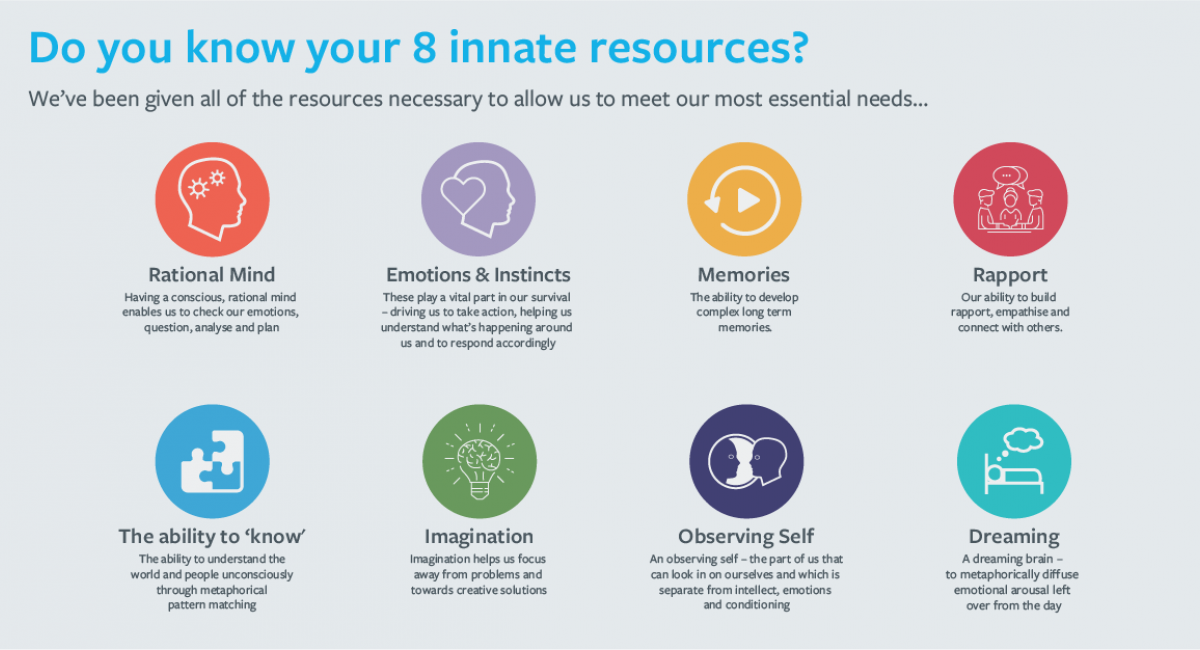
Our Innate Resources
Alongside these needs, we all have powerful inner resources to help us meet them, such as imagination, memory, problem-solving ability, and the drive to connect with others. The Human Givens approach helps you reconnect with these natural strengths, so you can move forward more confidently and with greater ease.
How This Helps in Therapy
Rather than focusing endlessly on the past, Human Givens therapy is forward-focused and practical. It aims to quickly reduce emotional distress and help you find clarity. We work together to identify which needs aren’t being met properly—and gently explore how you can use your own resources to get back into emotional balance.
This means therapy doesn’t have to take years. You don’t have to feel “broken” or labelled. Instead, we treat distress as a signal that something important is missing or out of balance—something that can be understood and improved.
If you'd like to talk about how this approach might help you, you can book a consultation here
If you are interested to understand more about your own emotional needs, a good starting point can be to complete this Emotional Needs Audit provided by the Human Givens Institute.